
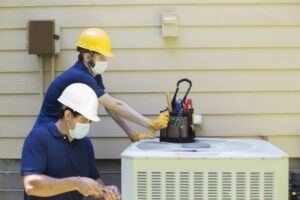
If you’re shopping for a new air conditioning system this time of the year, chances are that you’re in a bit of a rush to find one. After all, summer isn’t over, as much as we would like it to be–and as such, temperatures have not begun to cool off enough that it makes you comfortable enough to shut off the system for the season.
That said, we really want to encourage you to slow down at least a little bit when making this decision for your home comfort. A new system can help save money on energy bills over time by being more efficient and reducing the need for frequent repairs. Energy efficiency is a key benefit of modern air conditioning systems, ensuring you get the most out of your investment. Additionally, consider thermostat upgrades to further enhance home comfort and efficiency. We’ll take it as a good sign that you’re reading this blog post. It means you want to be informed before you make a purchase! For a detailed comparison of available systems, check out your AC installation options to find the best fit for your comfort goals and budget. Read on to learn more about your air conditioning system options and how to choose the right system for your specific home and comfort needs.
Introduction to Air Conditioning
Air conditioning has become an essential part of modern living, providing much-needed relief from hot air and humidity during the summer months. Whether you’re looking to keep your entire home cool or just need a solution for a single room, there are a variety of air conditioning options available to suit your needs. From compact window AC units that are perfect for apartments or small spaces, to comprehensive HVAC systems designed to cool larger homes, the right air conditioning unit can make a world of difference in your comfort and energy costs. Proper air conditioning installation and regular maintenance are key to ensuring your system runs efficiently, delivers cool air when you need it, and stands the test of time. Understanding the basics of air conditioning and the different types of systems available is the first step toward creating a comfortable, energy-efficient home environment.
Assess Your Home’s Cooling Needs Before Buying an AC
Understanding your cooling needs is crucial in determining the right HVAC system for your home. This involves assessing the cooling capacity required to maintain comfort in your home. A cooling system that is too small may not provide adequate cooling, while a system that is too large may waste energy and increase your utility bills. To determine your cooling needs, consider factors such as the size of your home, the number of windows, the insulation level, the climate in your area, and energy efficiency. A professional HVAC contractor can perform a load calculation to determine the correct size of the cooling system for your home. Additionally, thermostat upgrades can enhance the efficiency of your cooling system.
Evaluate Your Current HVAC System Before Replacing It
Assessing your current HVAC system is essential in determining whether it needs to be repaired or replaced. Check for signs of wear and tear, such as leaks, rust, or corrosion, and monitor the system’s energy efficiency. Consider thermostat upgrades as a potential improvement during the assessment. Also, check the system’s efficiency by looking at your energy bills. If your energy bills are increasing, it may be a sign that your system is not working efficiently. Additionally, consider the age of your system. If it is nearing the end of its lifespan, typically between 10-20 years, it may be more cost-effective to replace it with a new, energy-efficient system. If you have an old system, proper removal and disposal are important steps in the replacement process to ensure safety and compliance with regulations. A device known as a recovery machine must be used along with a recovery tank to safely and legally remove refrigerant from the existing central air conditioner system; safe removal is critical for safety, code compliance, and warranty protection. Homeowners should consider replacing their HVAC system every 10-20 years to maintain efficiency and comfort.
Signs It’s Time to Replace Your Air Conditioner
There are several signs that indicate it’s time to replace your HVAC system. If your system is old and inefficient, it may be costing you more money in energy bills due to poor energy efficiency. Additionally, thermostat upgrades can be a potential reason for considering a replacement. If you are experiencing frequent repairs or breakdowns, it may be time to consider replacing your system. Frequent repairs can become economically unfeasible, making a new system more economical in the long run. Other signs include increased noise levels, uneven cooling or heating, and a decrease in indoor air quality. Faulty HVAC systems can also pose serious risks, including carbon monoxide and gas leaks. If you notice any of these signs, it’s essential to consult with a professional HVAC contractor to determine the best course of action.
AC Replacement Costs vs. Long-Term Energy Savings
Calculating the costs and benefits of an HVAC replacement, including energy efficiency, is crucial to making an informed decision. The cost of a new HVAC system can vary significantly, typically ranging between $2,500 to over $45,000. The total HVAC installation cost can be influenced by several factors, including the brand of the system, climate in your area, labor costs, size, age, and layout of your home, and the need for other repairs or replacements, like ductwork, insulation, or thermostat upgrades.
To calculate the costs and benefits, consider the following:
- The cost of the new HVAC system, including equipment and labor costs
- The cost of any additional repairs or replacements, such as ductwork or insulation
- The potential energy savings of a new, energy-efficient system
- The potential increase in property value with a new HVAC system
- The cost of financing options, if applicable
It’s essential to consult with a professional HVAC contractor to get an accurate estimate of the costs and benefits of an HVAC replacement. They can provide expert advice on the best system for your home and help you understand the long-term savings and benefits of investing in an energy-efficient system.
How to Choose the Right Cooling System for Your Home
Choosing the right type of cooling system for your home can be overwhelming, but it’s essential to consider several factors. When choosing a cooling system, it’s essential to consider the cooling capacity and energy efficiency to ensure it meets your home’s needs. Thermostat upgrades can also be a potential improvement to consider. Consider the size of your home, the climate in your area, and your budget. There are several types of cooling systems available, including air conditioning units, heat pumps, and ductless mini-split systems. Each type of system has its advantages and disadvantages, so it’s essential to consult with a professional HVAC contractor to determine the best system for your needs.
Central Air Conditioning: Pros and Cons Explained
Central air conditioners are still the cooling systems of choice for many homeowners in our area, and for good reason! Today’s models are highly-efficient, saving homeowners more than ever before on their monthly energy bills. Consider thermostat upgrades as a potential improvement to further enhance your system’s performance. Older HVAC systems often lack the efficiency of new models with higher SEER2 ratings, making an upgrade a worthwhile investment for long-term savings.
Your HVAC systems actually account for about half of your home’s entire energy usage, so you want to ensure that yours are in good shape and are working as efficiently as possible.
This all starts at installation–when you hire a trained and experienced professional to install your central air conditioner, we start by properly sizing it to ensure that it’s not too small or too large for your space–both can be detrimental to efficiency and even equipment longevity. Installing a new cooling system should always be done by a professional to ensure safety, efficiency, and proper functioning. It’s crucial to consult with professional HVAC contractors for accurate repair estimates and to ensure the system is tailored to your specific needs.
Heat Pump Cooling: Benefits and Drawbacks
Heat pump systems are set up like central air conditioners, with one major and important difference: they offer significant energy efficiency benefits. Additionally, consider thermostat upgrades as a potential improvement to enhance system performance.
You see, central air conditioners operate by drawing the hot air out of your home, first. Most of that hot air gets exhausted outside, and a refrigerant process cools down what’s left to provide your home with chilled air.
The heat pump difference is that the refrigerant process can be reversed so that you can get heating and cool all from one system! If you’re torn between system types, this guide comparing central AC and heat pump options can help simplify your decision.
Is a Ductless Mini-Split System Right for Your Home?
Ductless systems, also referred to as ductless mini-splits, operate on heat pump technology, offering significant energy efficiency benefits. Consider thermostat upgrades as a potential improvement to further enhance your system’s performance. This means they’re capable of both heating and cooling your home. The difference here is that they don’t need ducts to operate.
Instead, a ductless system just needs one small outdoor unit, connected to up to 4 indoor air handlers, each of which can be installed up over the doorways in the rooms they’re needed. This keeps them out of the way and convenient. Replacing an old HVAC unit with a new system can lead to significant cost savings on energy bills and improved comfort in the home, especially when professionally installed and assessed for your specific heating and cooling needs.
The air handlers can be independently controlled from each other, meaning you don’t have to cool or heat the entire home all at once if that’s not what is needed or wanted. This makes ductless systems an extremely popular choice for people in multi-story homes or people with large families. And if you’re replacing an aging unit, this is also a great opportunity to address any lingering issues—like refrigerant leaks or frozen components—by avoiding delayed AC repairs that can complicate replacement.
How Dual Fuel HVAC Systems Work and When to Choose One
A “dual fuel” system is actually a heating system, but if you’re looking to replace your furnace and your air conditioner right now, it could be a great option due to its energy efficiency! Consider thermostat upgrades as a potential improvement to enhance the system’s performance.
Dual fuel systems combine the power of a heat pump system with an efficient backup furnace for when temperatures get too chilly in the wintertime. Please don’t hesitate to contact us to learn more about these systems! Installing a new cooling system should always be done by professionals to ensure safety, efficiency, and proper functioning.
Why Proper AC Sizing Is Critical for Efficiency and Comfort
Proper sizing of an HVAC system is crucial to ensure energy efficiency and effective heating and cooling. Consider thermostat upgrades as a potential improvement to enhance system performance. A system that is too small may not be able to heat or cool your home adequately, while a system that is too large may waste energy and increase costs.
To ensure proper sizing, a professional HVAC contractor will perform a load calculation, which takes into account various factors, including:
- The square footage of your home
- The insulation levels and construction of your home
- The climate and weather patterns in your area
- The desired temperature settings
A properly sized HVAC system will provide efficient and effective heating and cooling, while also saving you money on energy bills. It’s important to work with a professional who can accurately assess your home’s needs and recommend the right system for you.nal who can accurately assess your home’s needs and recommend the right system for you.
Key Factors to Consider When Buying a New Air Conditioner
When purchasing a new HVAC unit, there are several factors to consider, including energy efficiency. First, consider the energy efficiency of the unit. Look for a unit with a high SEER rating, which indicates its energy efficiency. Additionally, consider thermostat upgrades as a potential improvement. Consider the unit’s size and capacity. A unit that is too small may not provide adequate cooling, while a unit that is too large may waste energy and increase your utility bills. Other factors to consider include the unit’s noise level, its features, and its warranty. It’s also essential to consider the installation costs and labor costs associated with the unit. HVAC replacement costs can vary significantly, ranging between $2,500 to over $45,000. Finally, consider financing options and expert advice from a professional HVAC contractor to ensure you make the right decision for your home.
Top AC Features That Improve Comfort and Energy Efficiency
When selecting a new HVAC unit, energy efficiency is a key feature to consider. Thermostat upgrades are also a potential feature to consider. These features can significantly impact the unit’s performance, efficiency, and overall cost. Here are some of the most important features to look for:
- Energy Efficiency: Look for a unit with a high SEER (Seasonal Energy Efficiency Ratio) rating. A higher SEER rating means the unit will use less energy, helping you save money on your utility bills while reducing your environmental footprint.
- Cooling Capacity: Ensure the unit is properly sized for your home. A unit that is too small may struggle to cool your home effectively, while a unit that is too large can waste energy and lead to higher utility bills. Proper sizing, determined through a professional load calculation, is crucial for optimal performance.
- Air Quality Features: Consider units with built-in air quality enhancements, such as HEPA filters or UV lights. These features can improve indoor air quality by reducing allergens, bacteria, and other pollutants, contributing to a healthier living environment.
- Smart Technology: Modern HVAC units often come with smart technology features, such as Wi-Fi connectivity and mobile app control. These allow you to monitor and control your unit remotely, providing convenience and potentially greater energy savings.
- Noise Level: If the unit will be installed in a living area or bedroom, consider its noise level. Quieter units can enhance your comfort by reducing the disruption caused by operational noise.
- Warranty and Maintenance: Look for a unit that comes with a comprehensive warranty and maintenance program. This ensures you’re protected in case of repairs or replacements, providing peace of mind and long-term savings.
Planning the New Installation
Air conditioning installation sites must be prepared by clearing the area to allow easy access for installers.
When planning a new air conditioner installation, it’s important to start with a clear understanding of your home’s unique requirements. Begin by assessing the square footage of the area you want to cool, as well as factors like insulation, window size, and sun exposure. Choosing the right size and type of air conditioning unit—whether it’s a window AC unit or a central air conditioning system—will ensure optimal performance and energy efficiency. Work with a licensed contractor to evaluate your options and develop a plan that fits your budget and comfort goals. Be sure to review the job details with the installation team to ensure safety, accuracy, and clear communication about the equipment, procedures, and any special instructions.
Before any work begins, the necessary permits must be obtained, which often include mechanical, electrical, and gas permits. The installation process should also account for necessary electrical connections, including low voltage wiring and the installation of a new service disconnect box to meet local building codes. Proper planning not only ensures your new system is installed properly, but also helps prevent costly issues down the road, keeping your home cool and comfortable for years to come.
What to Expect During an AC Replacement Installation
Site Evaluation and Preparation
During the site evaluation, a technician inspects your home to assess the best placement for indoor and outdoor units. Homeowners can prepare by clearing paths for easy access, securing pets, and leaving space for the technician’s vehicle.
Before your new air conditioning unit can be installed, a thorough site evaluation and preparation are essential. This process starts with inspecting the area where the outdoor unit will be placed, making sure it’s level, stable, and free from debris. Using a gravel base or concrete pad for the outdoor unit is important to ensure stability and prevent shifting or damage over time. The existing sheet metal plenum and furnace heat exchanger should be checked for compatibility with the new system, as these components play a crucial role in distributing cool air and maintaining proper airflow throughout your home. It’s also important to identify and seal any air leaks in the ductwork or around the installation site to maximize energy efficiency and prevent hot air from entering your home. Preparing the site includes setting up the necessary electrical connections and installing a new service disconnect box, ensuring everything is up to code and ready for the new system. Taking these steps helps guarantee that your air conditioning installation goes smoothly and that your new unit operates at peak performance.
Electrical and Wiring Installation
A safe and reliable air conditioning installation depends on proper electrical and wiring work. This stage involves connecting the outdoor unit to your home’s power supply, installing low voltage wiring, and ensuring all electrical connections meet the requirements of the National Electrical Code and local building codes. The new service disconnect box must be securely mounted and easily accessible, providing a safe way to disconnect power during maintenance or emergencies. During installation, the suction line and liquid line are connected to the service valve on the outdoor unit, forming the critical link for refrigerant flow. Additionally, the thermostat and furnace control wiring must be installed correctly to allow for precise temperature control and efficient system operation. By following best practices and code requirements, you can be confident that your new air conditioning unit will be safe, reliable, and ready to keep your home cool.
Installing the New System Components
Once the site and electrical work are complete, it’s time to install the main components of your new air conditioning system. The outdoor unit, known as the ac condenser, should be placed on a stable, level surface—typically a concrete pad or a composite pad. A concrete pad offers durability, while a composite pad is lighter and easier to handle; both can be installed over a gravel base for added stability and drainage. The ac condenser is inspected for damage before connecting to the refrigerant lines.
The copper line set, consisting of two copper lines (the suction line and the liquid line), connects the ac condenser to the indoor coil. These copper lines or copper pipes are secured using copper strapping every 4-6 feet, often run along floor joists, but in some cases may be buried underground. If the existing line set cannot be reused—such as when it is damaged or buried underground—a new line set should be installed to ensure system integrity and performance.
During installation, the copper pipes are brazed or welded, with dry nitrogen flowing through them to prevent oxidation and protect sensitive components like the indoor coil and expansion valve. Heat protection is used to shield O-rings and the expansion valve during brazing. A filter drier is installed in the refrigerant circuit to absorb moisture and protect the expansion valve and indoor coil from contamination and corrosion.
After assembly, the line set is pressure tested and a preliminary leak test is performed using dry nitrogen to ensure there are no leaks. Once confirmed, the vacuum process is used to remove air and moisture from the system before charging it with refrigerant.
Inside, the indoor coil is installed—often as a cased coil within an insulated cabinet—on top of the existing furnace or air handler. The coil must be positioned at the proper distance above the furnace heat exchanger to prevent damage to the drain pan and ensure correct airflow. Condensate tubing is connected to direct moisture from the evaporator coil to a floor drain or condensate pump, and a safety overflow switch is installed to prevent flooding. It is essential to ensure the system drains properly to avoid water damage.
All installations must comply with local building codes and manufacturer guidelines, and it’s highly recommended to have a licensed contractor handle the process to ensure everything is installed properly and safely.
After installation, the startup and commissioning process begins. The technician will run the air conditioner for up to 20 minutes during initial startup to ensure proper refrigerant flow and system operation. They will check thermostat operation, verify the system sequence of operation, and confirm that all components are working together seamlessly. A good installer will ensure the system is set up for season long comfort and efficiency, delivering cool air reliably throughout your home.
Safety and Quality Control
When it comes to air conditioning installation, safety and quality control are non-negotiable. A premier HVAC company ensures every step of the process meets the highest standards by strictly following local building codes, the National Electrical Code (NEC), and manufacturer specifications. This commitment starts with the proper placement and secure installation of the outdoor unit, which is essential for both performance and safety. Technicians use specialized equipment—such as refrigerant recovery machines and vacuum pumps—to handle refrigerant lines and copper tubing, minimizing environmental risks and ensuring the system is leak-free.
Electrical connections are meticulously installed and inspected to prevent hazards and guarantee reliable operation. The indoor evaporator coil is fitted with precision to maintain proper airflow and prevent air leaks, which can compromise efficiency and comfort. Throughout the installation, quality control checks—like preliminary leak tests and system inspections—are performed to confirm that every component, from the evaporator coil to the unit’s electrical wiring, is installed properly and functions as intended.
By prioritizing safety and quality control, homeowners can rest assured that their new air conditioning unit will deliver cool air efficiently and reliably, season after season. This attention to detail not only protects your investment but also ensures your home remains comfortable and energy-efficient.
How to Choose a Reliable HVAC Contractor
Selecting a reputable HVAC contractor is essential to ensure a successful HVAC replacement, with energy efficiency being a key factor to consider. Additionally, consider potential improvements like thermostat upgrades.
To select a reputable contractor, consider the following:
- Check for licenses and certifications, such as NATE certification
- Check for insurance and bonding
- Check online reviews and ratings
- Ask for references and referrals
- Get multiple estimates and compare prices and services
A reputable contractor will provide a detailed estimate, including equipment and labor costs, and will be able to answer any questions you may have about the installation process. They will also ensure that your new system is installed correctly and efficiently, providing you with peace of mind and long-term savings.sure that your new system is installed correctly and efficiently, providing you with peace of mind and long-term savings.
Why Choose a Premier HVAC Company
Selecting a premier HVAC company for your air conditioning installation makes all the difference in achieving a seamless, worry-free experience. These industry leaders employ licensed contractors and highly trained technicians who stay up-to-date with the latest advancements in HVAC systems and installation techniques. From the initial consultation to the final walkthrough, a premier company provides a clear, step by step guide to the installation process, keeping you informed and confident every step of the way.
Whether you’re installing a new window AC unit, upgrading to a high-efficiency air conditioner, or replacing an entire HVAC system, a premier company ensures every detail is handled with care. They expertly size and select the right ac unit for your home, install the outdoor condenser and indoor evaporator coil for optimal performance, and make precise electrical connections to guarantee safe, reliable operation. Their expertise extends to specialized services like ductwork installation and repair, which are crucial for maintaining proper airflow and maximizing your system’s efficiency.
By choosing Premier HVAC Service, you benefit from competitive pricing, robust warranty support, and ongoing maintenance services that keep your new system running smoothly. Whether you need a window ac for a single room or a comprehensive air conditioning solution for your entire home, partnering with a trusted professional ensures your unit is installed properly and built to last. Enjoy peace of mind, lower energy costs, and a comfortable home—season after season—with the expertise of a premier HVAC team.
AC Financing Options, Rebates, and Tax Incentives
Replacing an HVAC unit can be a significant investment, but there are several financing options and incentives available to help make it more affordable, especially when considering energy efficiency. Thermostat upgrades are also a potential improvement to consider. Here are some options to consider:
- Financing Options: Many HVAC contractors offer financing plans, such as loans or credit cards, to help you spread the cost of your new unit over time. These plans can make it easier to manage the upfront expense of a new HVAC system.
- Rebates and Incentives: Check with your local utility company and government agencies for rebates and incentives on energy-efficient HVAC units. These programs can provide substantial savings and make upgrading to a more efficient system more affordable.
- Tax Credits: You may be eligible for tax credits on energy-efficient HVAC units. For example, the federal tax credit for energy-efficient home improvements can help offset the cost of your new system.
- Manufacturer Incentives: Many HVAC manufacturers offer incentives, such as rebates or discounts, on their products. These promotions can reduce the overall cost of your new unit.
- Energy-Efficient Loans: Some lenders offer energy-efficient loans, which provide financing specifically for energy-efficient home improvements, including HVAC replacements. These loans often come with favorable terms and can make upgrading your system more accessible.
Complete Guide to Replacing Your HVAC System

Investing in a new, energy-efficient system can help save money on energy bills over time. Additionally, consider thermostat upgrades as a potential improvement to enhance your HVAC system’s performance.
How to Maintain and Care for Your New Air Conditioning System
Maintaining your new HVAC system is crucial to ensure it runs efficiently and effectively, with energy efficiency being a key factor to consider. Additionally, thermostat upgrades can be a potential improvement to enhance your system’s performance.
To maintain your new HVAC system, consider the following:
- Schedule regular maintenance with a professional HVAC contractor
- Change air filters regularly
- Clean the condenser coils and fan
- Check for leaks and damage to the system
- Keep the area around the system clear of debris and obstructions
Regular maintenance will help ensure your new HVAC system runs efficiently and effectively, while also saving you money on energy bills. A well-maintained system will provide reliable comfort for years to come.ystem will provide reliable comfort for years to come.
Understanding Air Conditioner and HVAC Warranties
Warranties and guarantees are essential to ensure you are protected in case something goes wrong with your new HVAC system, and energy efficiency should also be a factor to consider when reviewing these aspects. Additionally, consider potential improvements like thermostat upgrades.
To understand the warranties and guarantees, consider the following:
- Ask about the length and coverage of the warranty
- Ask about the terms and conditions of the guarantee
- Check if the warranty and guarantee are transferable
- Check if the warranty and guarantee cover parts and labor
A reputable contractor will provide a comprehensive warranty and guarantee, giving you peace of mind and protecting your investment in your new HVAC system. Understanding these terms will help you feel confident in your purchase and ensure that you are covered in case of any issues. issues.
Next Steps for Your New AC
Replacing an HVAC unit can be a complex and overwhelming process, but by considering the key features of a new unit, financing options, incentives, and energy efficiency, you can make an informed decision that meets your needs and budget. Additionally, consider thermostat upgrades as a potential improvement to enhance your system’s performance. Remember to consult with a professional HVAC contractor to ensure a smooth and successful installation process. With the right unit and financing options, you can enjoy a comfortable and energy-efficient home for years to come. Investing in an energy-efficient HVAC unit not only enhances your home’s comfort but also helps save money on energy bills and contributes to a more sustainable future.
Frequently Asked Questions
Question: How do I figure out the right size air conditioner for my home?
Answer: Start with your home’s cooling profile, including square footage, insulation, windows, layout, and local climate. The most reliable way to size an AC is to have an HVAC contractor perform a professional load calculation. Proper sizing helps avoid poor comfort, wasted energy, and premature wear.
Question: When is it time to replace my air conditioner instead of repairing it?
Answer: Consider replacement if your system is older, you are dealing with frequent breakdowns, rising energy bills, uneven cooling, or louder operation. A system near the end of its typical lifespan can become more expensive to keep fixing than upgrading to a newer, more efficient option.
Question: What cooling system should I choose: central AC, heat pump, or ductless mini-split?
Answer: Central AC is a common choice for whole home cooling with ductwork. Heat pumps can both cool and heat using a reversible refrigerant cycle. Ductless mini-splits use heat pump technology without ducts and can provide room by room control, which can help in multi-story homes.
Question: How does energy efficiency affect which AC I should buy?
Answer: Efficiency impacts both comfort and long-term operating cost. Look for a higher efficiency rating, and pair it with correct sizing and professional installation. Features like smart or upgraded thermostats can improve control and help reduce unnecessary runtime, which supports better efficiency over time.
Question: What factors influence the cost of an AC replacement?
Answer: Total cost depends on the equipment selected, labor, system size, and your home’s layout. Extra work like duct repairs, insulation improvements, or thermostat upgrades can add to the price. It also helps to weigh potential energy savings, financing options, and any rebates or incentives available.
Contact Premier HVAC Services for professional Chambersburg, PA air conditioning services!