
A furnace is one of the most important systems in your home, especially during colder months. While regular maintenance can extend its lifespan, no heating system lasts forever. Understanding how long a furnace typically operates and recognizing the signs of wear can help you plan ahead and avoid unexpected breakdowns.
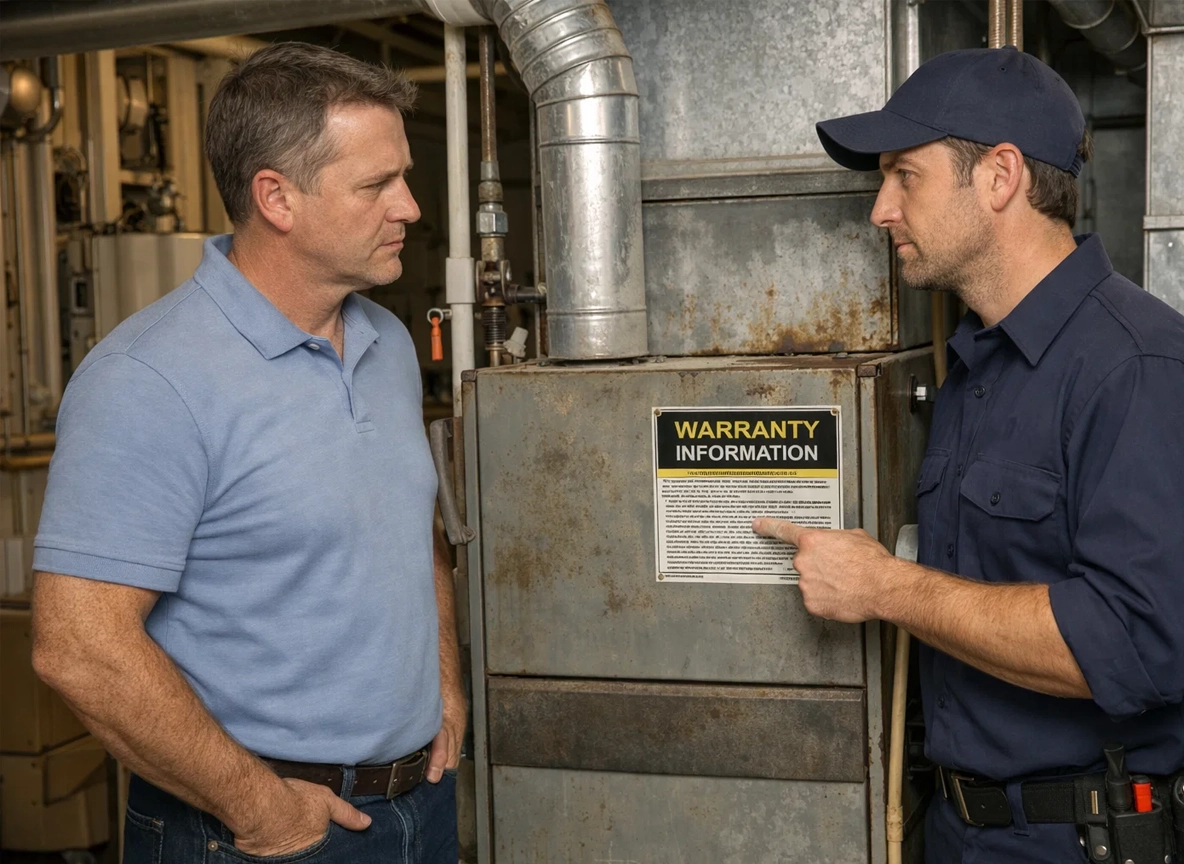
Average Furnace Lifespan
Most furnaces are designed to last between 10 and 15 years with proper maintenance. Factors such as installation quality, routine service, and how often the system runs can all influence longevity.
Annual tune-ups, clean filters, and timely repairs help reduce strain on components and support consistent performance. However, even well-maintained systems eventually experience normal wear that affects efficiency and reliability.
Declining Heating Performance
One of the first signs a furnace may be nearing the end of its lifespan is reduced heating performance. You may notice uneven temperatures, longer heating cycles, or difficulty maintaining your desired thermostat setting.
These issues can indicate that internal components are wearing down or that the system is no longer operating at its original capacity. While some performance concerns can be resolved with repairs, recurring problems may signal that replacement is the more practical solution.
Increasing Repair Frequency
Occasional repairs are expected over time, but frequent service calls can indicate a furnace that is reaching the end of its usable life. When multiple components begin to fail within a short period, repair costs can add up quickly. Replacing an aging system often provides a more reliable and cost-effective solution than continuing to invest in repairs.
Rising Energy Usage
Older furnaces tend to lose efficiency as components wear out. This can result in longer run times and increased energy consumption to maintain the same level of comfort.
Newer systems are designed with advanced technology that improves energy efficiency and provides more consistent heating. Upgrading to a modern furnace can help reduce strain on your HVAC system while improving overall performance.
Unusual Noises or Odors
Changes in system operation can also indicate that replacement may be necessary. Rattling, banging, or other unusual sounds may suggest worn or loose components. Persistent odors during operation can signal internal issues that require professional evaluation.
Addressing these warning signs early helps prevent unexpected system failure during peak heating season.
Planning for a Smooth Replacement
If your furnace is approaching the end of its lifespan, planning a replacement before a complete breakdown occurs offers several advantages. You can schedule installation at a convenient time, explore energy-efficient options, and ensure your home remains comfortable without interruption.
A professional assessment helps determine the right system size and configuration for your home, supporting reliable performance for years to come.
Dependable Heating When You Need It
Knowing when to replace your furnace helps you avoid emergency situations and maintain consistent comfort. By monitoring system performance, scheduling regular maintenance, and addressing warning signs early, you can make informed decisions about your heating system.
Premier HVAC Services provides expert furnace inspections, repairs, and replacements to keep your home warm and efficient. Contact Premier HVAC Services today for professional guidance and dependable service—We’re there when you need us most.