
During the winter months, your HVAC system works steadily to keep your home comfortable. Windows stay closed, heating cycles run longer, and air circulates through the same pathways day after day. While everything may seem fine on the surface, winter often allows dirt, dust, and debris to quietly build up inside your system. Understanding where that buildup occurs and why it matters can help protect comfort, efficiency, and system reliability as seasons change.
How Winter Creates the Perfect Conditions for Buildup
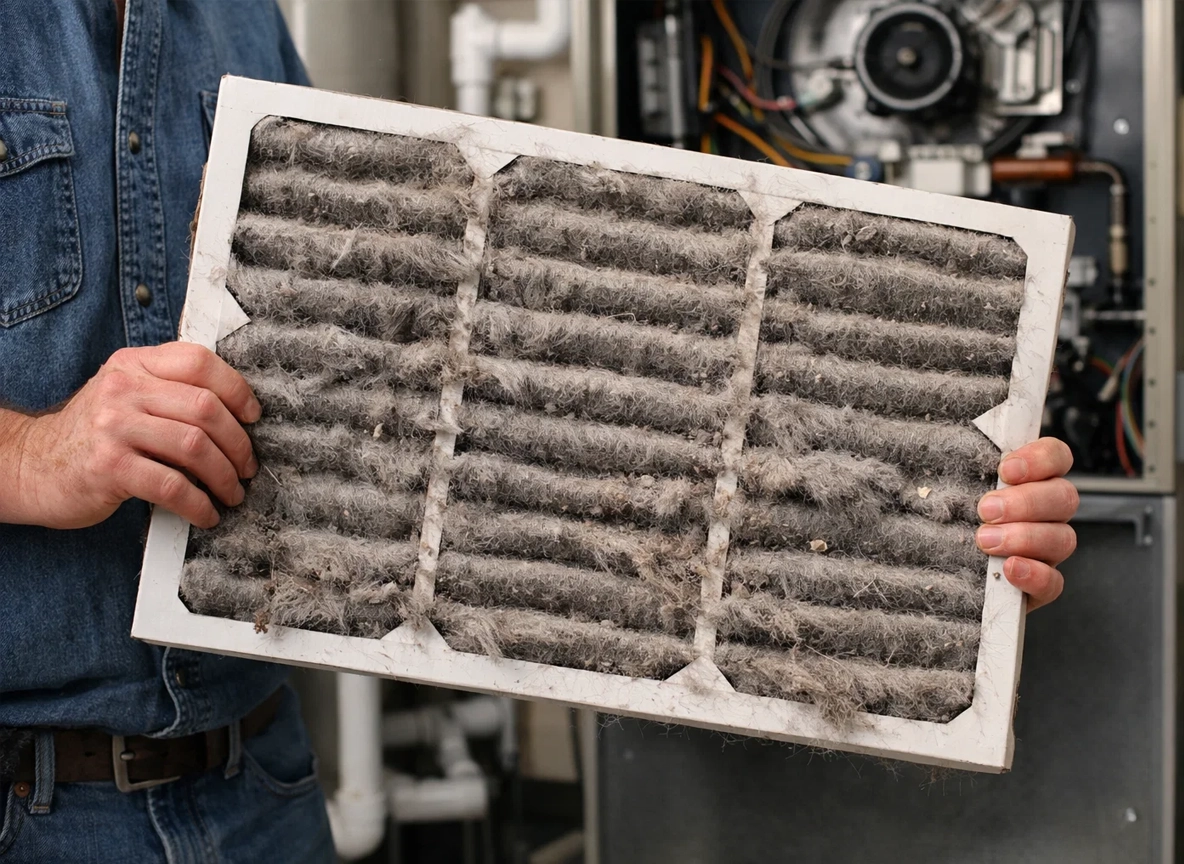
When your heating system runs frequently, it continuously pulls air through filters, ducts, and internal components. Even with a functioning filter, small particles can collect over time. Dust from daily activity, pet hair, and airborne debris have fewer places to escape when windows remain closed, resulting in more of it entering the HVAC system.
Because winter operations are steady rather than occasional, buildup occurs gradually. It’s often unnoticed until performance starts to decline.
Where Dirt Accumulates Inside Your HVAC System
Some of the most common areas for winter buildup include air filters, blower components, ductwork, and vents. Filters trap particles as designed, but when they become overloaded, airflow can be restricted. Blower assemblies can collect dust that affects circulation efficiency, while duct interiors may accumulate debris that recirculates throughout the home.
Over time, this buildup can make the system work harder to move air, increasing strain on internal parts.
Why Dirt Affects Efficiency and Comfort
When airflow is restricted, your HVAC system must run longer to achieve the same level of comfort. That extra runtime increases wear on components and reduces overall efficiency. You may notice uneven temperatures, rooms that take longer to warm, or reduced airflow.
Dirt buildup can also impact how evenly heat is distributed, making comfort less consistent throughout the home.
System Health and Long-Term Performance
Excess debris inside your HVAC system doesn’t just affect short-term performance—it can influence long-term reliability. Motors, fans, and other moving parts perform best when clean and unobstructed. When dust accumulates, components may experience additional friction or stress, increasing the likelihood of repairs.
Regular professional attention helps keep internal parts clean and operating as intended, supporting a longer system lifespan.
Indoor Air Quality Considerations
What builds up inside your system doesn’t stay there. Dust and debris can be redistributed through vents, affecting indoor air quality. This can lead to air that feels stale or dusty, especially after long winter operation. A clean system supports better air circulation and helps maintain a fresher indoor environment as spring approaches.
Why Spring Is the Right Time to Address Winter Buildup
As winter ends, addressing accumulated dirt prepares your system for the next season. Professional maintenance removes buildup, restores proper airflow, and ensures components are ready for changing demands. This proactive step helps prevent small issues from carrying over into warmer months, when cooling demands place different stresses on the system.
Schedule Professional Service Today
Winter buildup doesn’t have to follow your system into the next season. Premier HVAC Services provides professional HVAC maintenance designed to remove winter debris, restore efficiency, and protect long-term system performance.
Contact Premier HVAC Services today to schedule service. We’re there when you need us most.